When your desktop index moves to someone else's server
A new Google Desktop feature let files be searched from any computer by keeping copies on Google servers, and EFF warned about the legal cost.
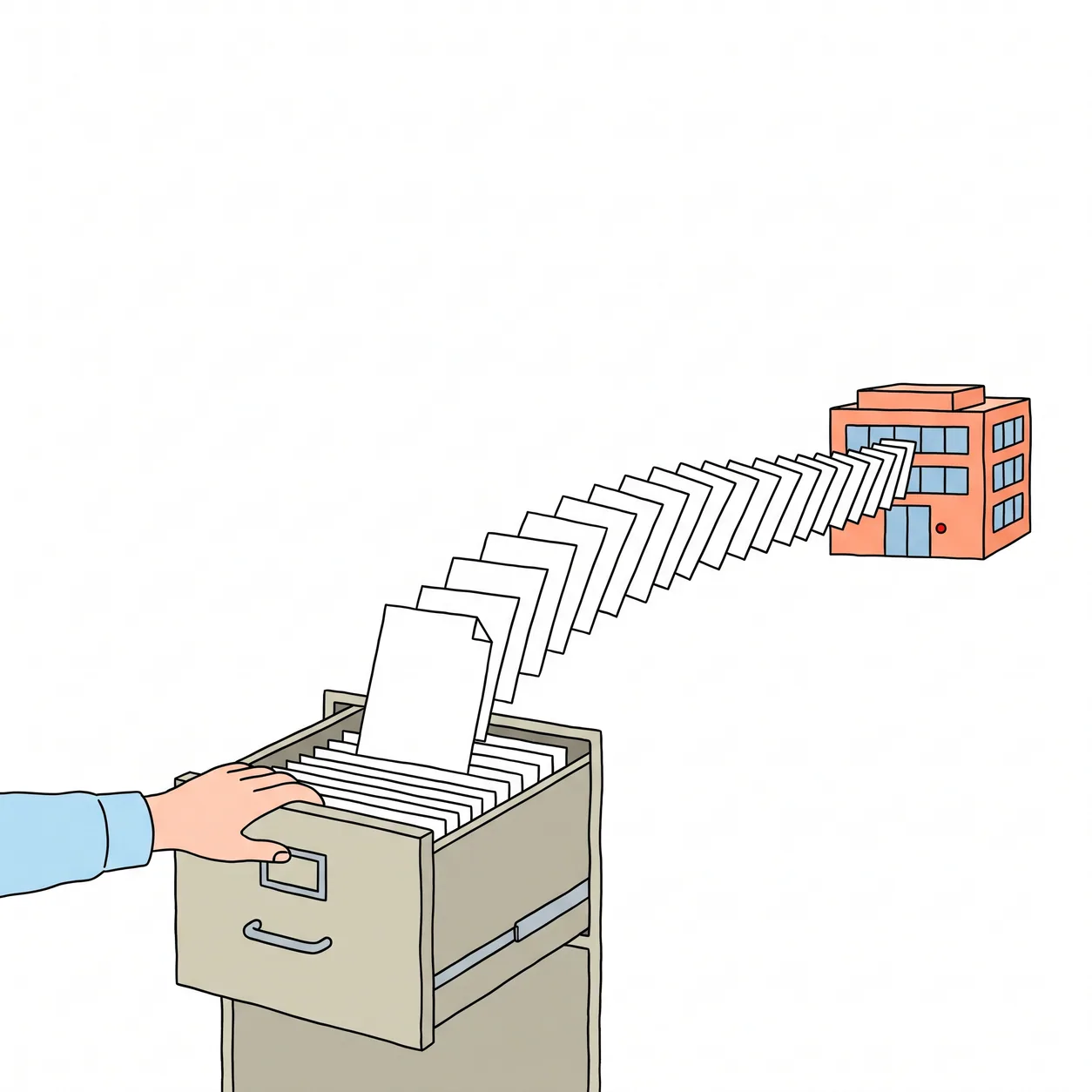
Desktop search turned the search engine inward, onto the files on a single machine. Letting that index travel between machines raised a different question: where the copies live, and who can ask for them.
Desktop search turned the search engine inward, onto the files on a single machine. Letting that index travel between machines raised a different question: where the copies live, and who can ask for them.
What did Search Across Computers do?
Google's feature page said Search Across Computers enabled users to search their documents and viewed web pages across all their computers, for example finding files edited on a desktop from a laptop. To activate it, a user needed a Google Account, and only items accessed after enabling Search Across Computers could be found from the user's other computers. Google's Desktop privacy policy, dated February 9, 2006, said that if a user chose to enable Search Across Computers, Google would securely transmit copies of indexed files to Google Desktop servers. The same policy said a computer's content is not made accessible through Google Desktop to Google without explicit permission, and that indexed files may remain on Google servers for up to 60 days before being deleted after an account was cancelled or the software uninstalled.
Why did EFF urge people not to use it?
On February 9, 2006, EFF posted a release titled Google Copies Your Hard Drive, warning that the feature would store copies of Word documents, PDFs, spreadsheets and other text-based documents on Google's own servers. EFF urged consumers not to use the feature, arguing that their data would become more vulnerable to subpoenas from the government and possibly private litigants. Its reasoning rested on the Electronic Communication Privacy Act of 1986, which, according to EFF, gives only limited privacy protection to emails and other files stored with online service providers. EFF also reported that Google said it was not yet scanning the copied files to serve targeted advertising.
The engineering problem and the legal problem were separate. Copying an index to a server is a synchronisation task; deciding who can compel access to that copy is a matter of law, and the law does not change when the software does. A feature that moves personal files onto a network inherits the legal status of wherever those files land, so the useful test is not only whether the transfer is secure but which rules govern the place where the copy ends up.
Sources
- Google Desktop - Features - Google, reference, date not stated (archived copy captured 2006-02-24)
- Google Desktop - Privacy Policy - Google, reference, February 9, 2006 (archived copy captured 2006-02-24)
- Google Copies Your Hard Drive - Electronic Frontier Foundation, press release, February 9, 2006 (archived copy captured 2006-02-23)