Peer-to-Peer
10 articles by Ray Bolouri tagged Peer-to-Peer.
The Peer-to-Peer tag groups 10 articles. They come from 3 topics: Internet & Cloud Infrastructure, Distributed Systems & Coordination and Wireless & Mobile Networks. Each article opens with a short summary and ends with links to related reading.
 Intelligent IoT Control Planes Destabilize Routing StateDecentralized content-addressable networks and intelligent IoT control planes fail when overlay routing ignores transport latency.
 Evaluating Raft Consensus Inside KubernetesEvaluating consensus protocols like Raft inside Kubernetes exposes bottlenecks when virtualization overlays hide network transport latency.
 High Performance Computing Schedulers Across TransportResource allocation overlays face synchronization bottlenecks when physical transport latency disrupts control layers.
 Dissemination Protocols Across Physical TransportProtocol research demonstrates that coordination layers must decouple from transport delays to prevent systemic routing breakdowns under load.
 Opportunistic Coded Cooperation Across Dynamic Topologiesdecoupling distributed control overlays from physical channel variability causes severe queue saturation and lookup latency.
 Distributed Mutual Exclusion Across Dynamic Overlay NetworksEvaluating distributed mutual exclusion and multi-routing protocols reveals why dynamic ad hoc topologies trigger cascading consensus failures.
 Peer-to-Peer Overlays and Physical Transport LatenciesPeer overlays accumulate substantial overhead when coordination layers decouple logical graph mechanics from physical transport latencies.
 Immersive Visualization Bottlenecks in Cluster ArchitecturesTransport synchronization delays constrain multi-screen display environments as state coordination lags behind graphics pipelines.
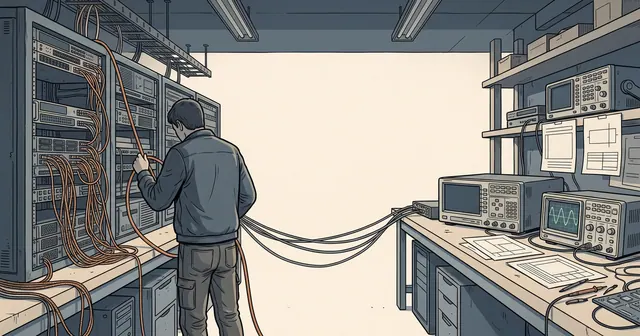 Decentralized Peer-to-Peer Computing Across Network NodesDecentralized task dispatchers mitigate transport anomalies across heterogeneous network nodes by isolating control plane telemetry.
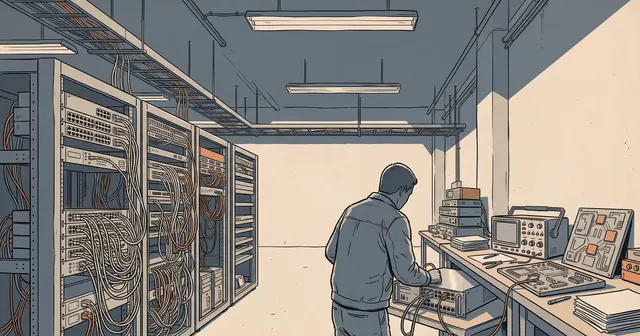 Scaling Overlay Networks Across Routing DomainsOverlay networks encounter coordination bottlenecks and lookup stalls when control signaling presumes uniform wide area transit latencies.