Wireless & Mobile Networks
Cellular, Wi-Fi, mesh and ad hoc radio networks, and what happens when coordination outruns the air interface.
The Wireless & Mobile Networks topic collects 81 articles on cellular, Wi-Fi, mesh and ad hoc radio networks, and what happens when coordination outruns the air interface. Each article opens with a short summary and ends with links to related reading.
 Mitigating Outage Probability in STAR-RIS-NOMA NetworksImperfect channel state information and telemetry delays degrade user outage probability and beamforming in wireless infrastructure.
 Physical Links Disrupt Distributed Network EngineeringTransport-layer variance in physical links triggers state drift, unnecessary leader elections, and split-brain panics across edge fabrics.
 Decentralized Architectures Encounter Physical TransportDecentralized orchestration models face severe queue amplification when assuming deterministic packet delivery across transit links.
 Orchestrating Computing Continuum SystemsOrchestrating computing continuum systems requires reconciling top-level schedulers with physical transport constraints across edge tiers.
 Software Defined Networking in Microgrid SystemsSoftware defined networking decouples control decisions from physical microgrid transport limits, causing severe state desynchronization.
 Remote Antenna Units Encounter Transport LatencyPhysical transmission latency limits decentralized coordination across distributed remote antenna units and telemetry streams.
 Edge Intelligence Architectures Face LatencyDecentralized autonomous infrastructures face operational fragility when control loops ignore transport latency and bandwidth variations.
 Abstract Distributed State Machines and Physical TransportAnalysis shows transport-unaware control assumptions destabilize quorum consensus across non-ideal transmission media.
 Satellite-Terrestrial Relay Systems Face Co-Channel InterferenceEvaluating outage performance in full-duplex satellite-terrestrial relay systems exposes fundamental limits under co-channel interference.
 Coordinated Universal Time and Critical InfrastructureCritical infrastructure systems encounter phantom state discrepancies when optical channels and radio frequencies degrade timing distribution.
 Scalable Mobile Architecture Models and Synchronization ProtocolsHierarchical task allocation protocols balance latency and computational overhead across spatial, aerial, and terrestrial edge network tiers.
 Multi-Microgrid Systems and Resilient ArchitecturesMulti-microgrid energy management systems require resilient communication architectures and coordinated scheduling strategies across networks.
 Smart Power Outage Communication ArchitecturesDecoupling control layers from underlying physical telemetry transport prevents distributed control plane divergence across edge devices.
 Decentralized Blockchain Frameworks for Autonomous Edge SystemsDecoupling distributed validation from operational flight paths protects edge hardware against packet loss and link outages.
 RINA Performance Management and Distributed IoT ArchitecturesNetwork engineers evaluate recursive architectures and distributed systems against physical latency constraints.
 Decoupling Mobile IoT Systems and Radio RealitiesEngineering evaluations show distributed consensus fails when radio fading and collisions trigger cascading retransmissions in mobile IoT systems.
 Cyclic Delay Diversity and Robotic Energy Protocolsengineering resilient multi-agent swarms against wireless channel fading and rapid power depletion.
 Decentralized Power System Control ArchitecturesDecentralized control architectures face severe boundary failures when underlying radio links experience packet jitter and channel fading.
 Distributed Antenna Topologies Face Transport LatencyDistributed antenna topologies face destructive interference when packet networks introduce nondeterministic queueing delays.
 Cloud Integrity Protocols and MANET Commerce Systemsanalysis of trust validation protocols and transactional integrity across constrained communication channels.
 Wideband Distributed Beamforming and Network LatencyNetwork transport delays and jitter disrupt wideband distributed beamforming and consensus state across distributed nodes.
 Cognitive Radio Ad Hoc Networks Face Channel LimitsPhysical medium access control overhead and co-channel interference disrupt cognitive radio ad hoc networks and distributed consensus.
 Dynamic Auditing Protocols in Distributed StorageDistributed storage engineering requires decoupling dynamic auditing protocols from variable physical transport channels.
 Grid-APPS-D Validates Distributed Microgrid ControlTesting distributed energy management systems reveals transport latency and packet delays across wireless sensor network infrastructure.
 Cloud Storage Consistency and SWIPT Relay OptimizationAnalysis of data consistency formalisms alongside energy harvesting relays and power grid security.
 5G Fronthaul Networks and Cell Outage CompensationCell outage compensation in 5G fronthaul networks adapts adjacent transmission parameters to mitigate physical transport interruptions.
 Microgrid Architectures Face Communication LimitsMicrogrid architectures face acute operational instability when supervisory control software ignores communication latency.
 Cooperative Relaying Protocols in Smart Grid NetworksTheoretical cooperative relaying protocols and multiterminal network designs face channel state overhead across real physical links.
 Successive Relaying Security and Fusion Data Protocolsanalysis of physical layer security, distributed data mashups, and delay-tolerant routing protocols in late 2015.
 Adaptive BFT Protocols and Multi-Relay NetworksEngineers evaluate multi-relay channels and adaptive BFT protocols to sustain consensus over impaired links.
 Multi-Mode Base Station Designs and BeamformingMulti-mode base station architectures face severe synchronization errors and packet jitter when coordination fabrics decouple.
 Coordinating Self-Organizing Cellular NetworksHigh-density cellular deployments trigger severe parameter conflicts across distributed self-organizing networks when transport delays mount.
 Complex Distributed Topologies Face Physical Channel DegradationPhysical channel degradation and queuing backlog force distributed coordination layers into cascading transport failures.
 Linear Network Coding in Distributed MIMO SystemsCharacterizing outage behavior in distributed MIMO systems reveals how unmodeled energy states destabilize cooperative wireless transmission.
 IPv6 Home Network Architectures and RFC 7368Evaluations show that multi-router IPv6 home network architectures face control-plane failures without deterministic validation timers.
 Wide-Area Measurement Systems Face Transport LatencyPropagation delays in wide-area measurement systems and telemetry networks compromise grid stability and cooperative beamforming.
 Limiting Logical Clock Exposure in Heterogeneous NetworksCharacterizing transport delays and managing state under incomplete network information mitigates wide-area coordination stalls.
 Building Operating System Services ArchitectureOperating system abstractions fail across cyber-physical infrastructure design when physical communication links introduce transport latency.
 Protocol Stacks Collide With Physical Network RealitiesProtocol stacks encounter severe bottlenecks when abstracting physical network latency, forcing separation of control channels from payload.
 Cooperative Wireless Architectures Under Transport LatencyTransport latency degrades cooperative wireless architectures when distributed control mechanisms operate on stale state information.
 Distributed Caching in Device-to-Device NetworksDistributed caching architectures in device-to-device networks face operational throughput boundaries governed by wireless interference.
 Distributed Coordination Under Network LatencyPhysical network transport limits break distributed coordination protocols when propagation latency undermines state synchronization.
 Dropbox Architectures and Distributed SynchronizationDecoupling synchronization logic from transport states triggers queue pileups, round-trip delays, and systemic throughput degradation.
 Cooperative Interference Protocols and ENSURE TransportAnalysis of wireless interference management and deterministic transport protocols in industrial networks.
 Datacenter Telemetry Decoupling Under Dynamic ExecutionStale telemetry over switched Ethernet fabrics triggers resonant hunting loops across datacenter voltage regulators under dynamic workloads.
 Cellular Femto Subchannel Management Under LatencyEvaluating subchannel management in cellular femto architectures exposes interference spikes and transport bottlenecks across backhaul links.
 Opportunistic Relaying in Wireless Computing Networksengineering resource allocation models across opportunistic downlink relays and distributed software runtimes.
 Orbital Telemetry Systems and Optical Wireless Linksanalysis of telemetry architectures, optical wireless transport, ad hoc security, and wide-area measurement systems.
 Multi-Protocol Label Switching and Coordination NodesTransport delays across distributed platforms induce protocol instability, state synchronization degradation, and false timeouts.
 Evaluating IEEE 802.11p Transport FeasibilityRapid node mobility and dynamic physical topographies degrade distributed route discovery in vehicular ad-hoc networks.
 Uplink Outage Probability in Distributed Antenna SystemsEstablishing uplink outage bounds proves that distributed transceiver coordination degrades when backhaul latency exceeds channel coherence.
 Cooperative Multiplexing and Hybrid CDMA Outage BoundsAnalysis of distributed beamforming multiplexing, spatial Poisson traffic, and bus security.
 Distributed Motion Coordination Protocols and Mobile NodesDistributed protocols face physical transport bounds, propagation delay, and fading that destabilize mobile consensus and state consistency.
 Distributed Collision Protocols and Fading ChannelsDecentralized interactive environments isolate local simulation models to prevent transmission delay from corrupting spatial state.
 Random Walk Routing Protocols in Ad Hoc NetworksDuring October 2010, enterprise distributed computing patterns exposed rifts between logical state coordination and physical radio constraints.
 Erasure Coding in CCSDS and Channel Outage Limitsanalysis of erasure codes in delay-tolerant architectures and channel capacity limits under fading.
 BPM Workflow Provisioning and Selection Relaying Networksanalysis of dynamic resource provisioning, selection relaying networks, and signaling protocols in August 2010.
 Causal Protocols and Multi-Robot ArchitecturesEngineering causal messaging protocols and two-layer architectures for mobile and robotic networks.
 Sensor Network Architectures and Transport DelayDecentralized control architectures must align distributed control logic with physical transport latency to avoid queuing collapses.
 Cooperative Distributed Broadcast Protocols and Transport DelaysAnalysis shows treating transport networks as instantaneous links shatters consistency models during mission operations.
 Distributed Antenna Systems Under Fading ChannelsEvaluating outage probability in distributed antenna systems reveals how channel degradation disrupts control signaling loops.
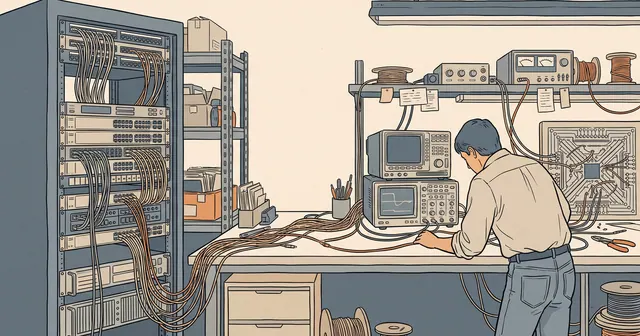 Model-Based Checkpointing and Intelligent Sensor FusionEngineering resilient coordination across distributed nodes facing high propagation delay and physical transport constraints.
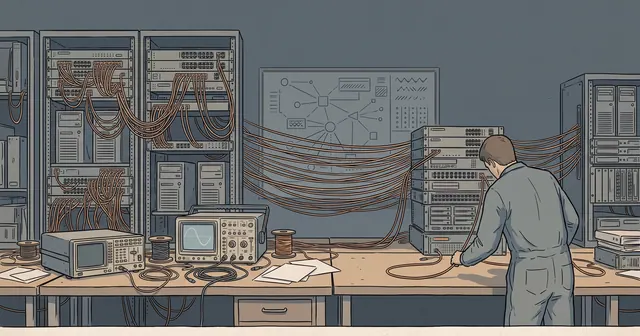 Distributed MIMO Outage Probability ModelingClosed-form approximations and peer protocols define physical reliability limits across fading environments.
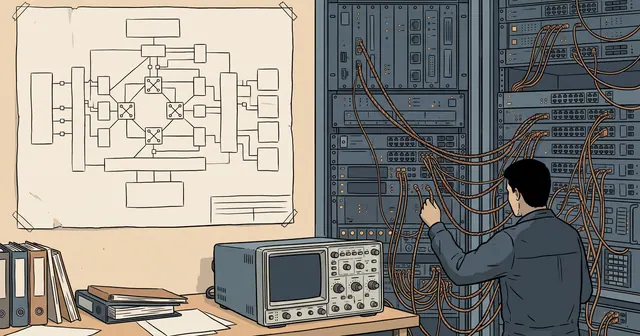 Opportunistic Coded Cooperation Across Dynamic Topologiesdecoupling distributed control overlays from physical channel variability causes severe queue saturation and lookup latency.
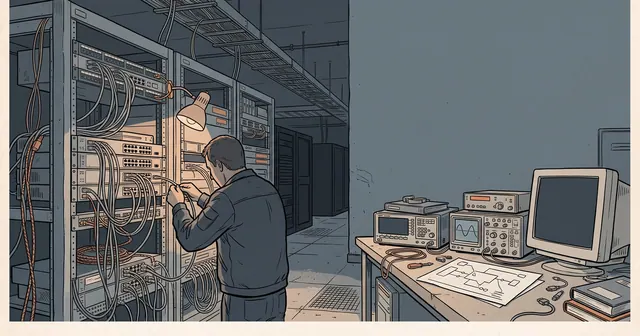 Decoupling Consistency Requirements From Network LatencyDecoupling localized coordination from physical transport prevents synchronization anomalies across constrained wireless sensor networks.
 IEEE 1394 and Estimation Over Fading ChannelsDistributed estimation over fading channels reveals how consensus algorithms fail when underlying links suffer correlated channel outages.
 Wide Service Lookup Protocols Across Heterogeneous TransportDuring August 2008, wide-area service lookup protocols require transport-aware control logic to prevent severe lookup delays.
 Multilevel Partitioning Schemes for Task AllocationMultilevel partitioning schemes and status-aware transport protocols isolate execution loops from latency in heterogeneous distributed systems.
 Decentralized Control Across Autonomous Physical AgentsIgnoring real-world latency bounds destabilizes decentralized control loops across autonomous physical agents in dynamic networks.
 Regenerative Relay Selection and Distributed ChannelsRegenerative relay selection algorithms and distributed antenna channel models show transport constraints limit higher-level control layers.
 Cross-Layer Admission Control for CDMA BeamformingCross-layer admission control for CDMA beamforming systems degrades when delayed signaling feedback corrupts channel state information.
 Cooperative Transmission Topologies and Backhaul BandwidthTransport link latency and signaling overhead degrade distributed multi-antenna beamforming accuracy across real-world wireless basestations.
 Wide Area Networking Across LHCNet InfrastructureManaging transport control overhead and state propagation across dynamic topologies challenges high-energy physics pipelines.
 Asynchronous Power Control Across Shared Wireless BandsDecoupled component designs fail when transport latencies destabilize distributed control algorithms across power grids and wireless channels.
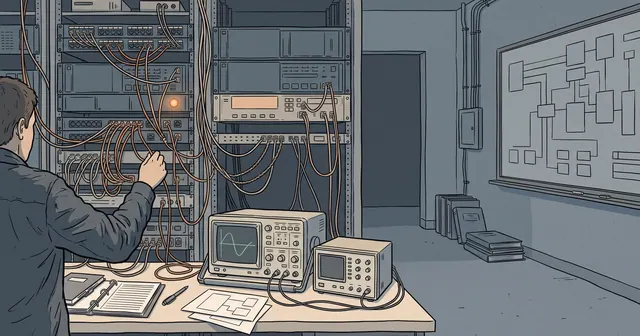 Multicarrier Resource Allocation in Fading ChannelsNetwork architects face channel degradation when centralized scheduling relies on stale spatial estimates across multi-access links.
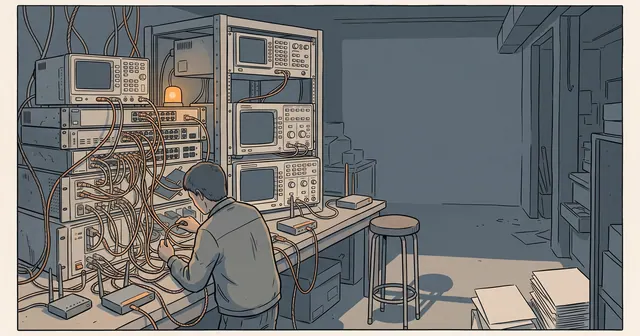 Mitigating Contention Loops in Distributed Mesh NetworksEvaluating quality-of-service limitations and medium contention across distributed multi-hop wireless networks during operational instability.
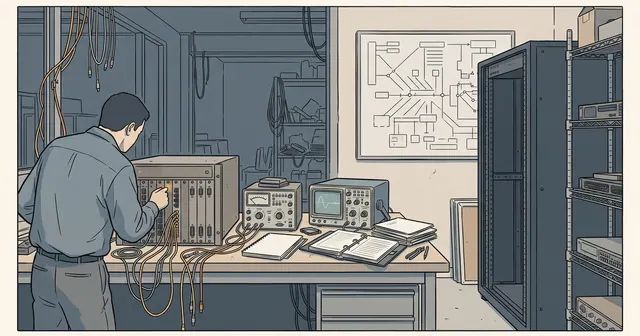 Mobile IPv6 Route Optimization and Metropolitan EvacuationAnalysis of Mobile IPv6 route optimization taxonomy, wireless channel constraints, and municipal evacuation telemetry.
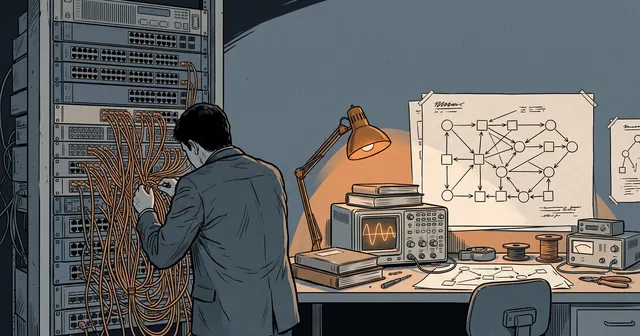 MIMO Cooperative Diversity and Relay NetworksAnalysis shows transport latency and signaling overhead degrade cooperative diversity in distributed multi-antenna wireless networks.
 Dynamic Spot Diffusing Optical Wireless NetworksCharacterizing delay and dispersion in dynamic optical links reveals physical propagation limits across distributed networked applications.
 Smart Antennas and Distributed Cooperative RelayingAnalysis reveals cross-layer latency realities in cooperative wireless ad-hoc and cellular relay networks.
 Cellular Beamforming Optimization and Backhaul LatencyDistributed beamforming collapses spatial array patterns when backhaul transit delay corrupts antenna phase matrices.